
A journey from experiments and frustration to a mission-led food systems company.
The founders began with curiosity about food businesses, then went deeper into ingredient logic, food culture and the operational realities behind the foods people love most.
Too much everyday fun food is built around unclear inputs and casual execution. Too much organised food can feel distant from the ingredient, the cook and the customer.
We believe technology should help protect freshness, workflow and trust — not strip the life out of food.
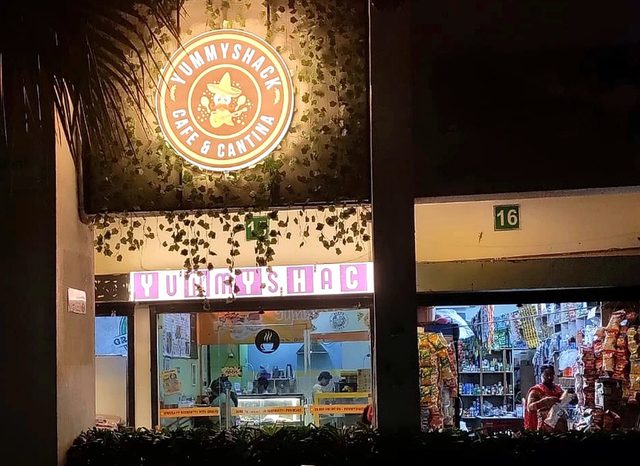 A neighbourhood brand with a bigger vision
How the mission became visible.
Global experience
Exposure to world-class systems thinking, analytical discipline and how serious businesses are built.
Food trucks and bakery experiments
Early formats taught a hard lesson: F&B; breaks when recipes, procurement, operations and customer demand live in different silos.
Food science and cultural history
The team kept studying why certain foods become cravings — aroma, texture, heat, spice, nostalgia, social rituals and local adaptation.
The market gap
Street food often feels alive but operationally weak. Big chains often feel controlled, but emotionally distant from fresh cooking and ingredient visibility.
The technology view
As technologists, we saw a way to manage the complexity — and then built it ourselves: ordering, recipes, inventory and leakage control, food-safety compliance, training, CRM and reporting on one in-house system.
YummyShack today
An AI-first F&B; excellence company building joyful brands, smarter kitchens and partner-ready food systems.
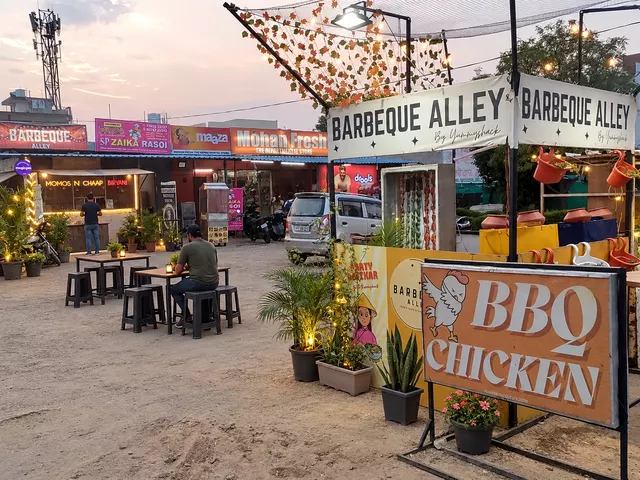 Built in real neighbourhoods
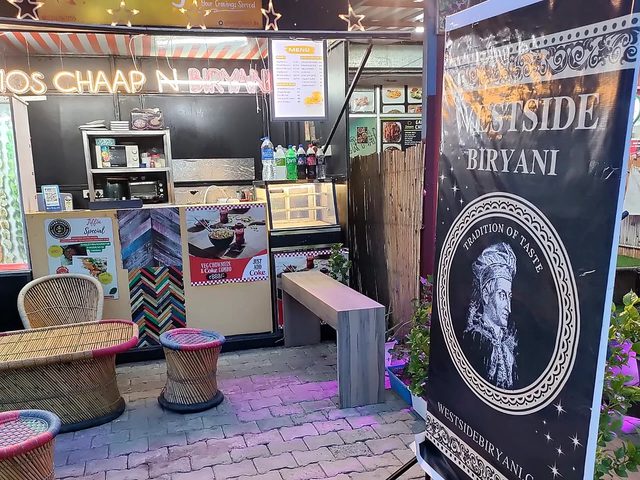 Brands shaped through everyday service
Technology should make food more human, not less.
We are not trying to remove hospitality from the business. We are trying to remove wasteful chaos, invisible leakage and avoidable inconsistency.
Our line in the sand
- Better ingredients over anonymous shortcuts.
- Fresh cooking over lazy dependence on long-chain compromise.
- Operational discipline over owner anxiety.
- Customer relationships over rented aggregator dependence.
- Growth with systems over random expansion.